Source Conductive Fabric for RF shielding, ESD control, and RFID protection
Explore 30 listings of Conductive Fabric featuring high antistatic properties and shielding effectiveness up to 60dB. Buyers can compare specifications like material composition, width, and customization options for applications in garment, hospital, and industrial sectors.
Key considerations
Products List


Prevent Combustion Explosion and Other Dangers Caused by Static Conductive Fabric
$6.21 - $7.57
MOQ: 1 Square Meters


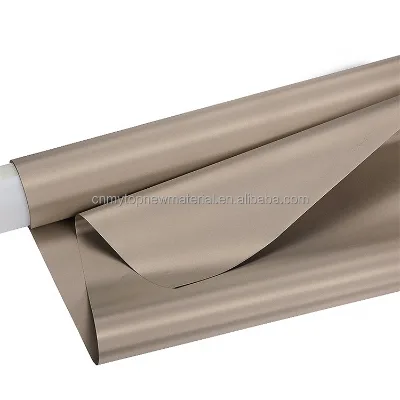
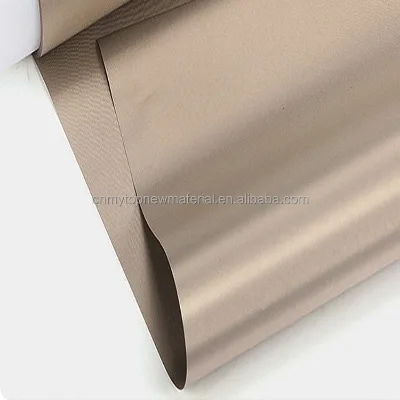


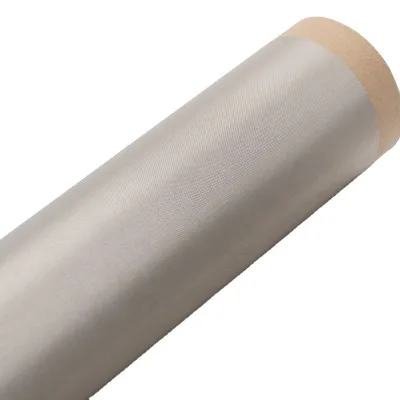
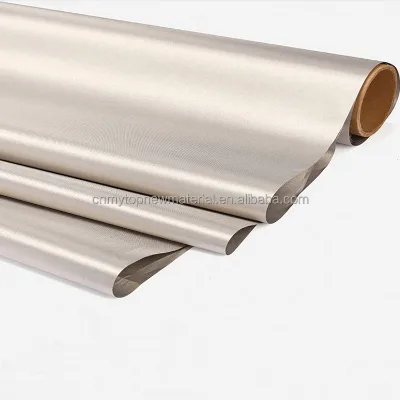
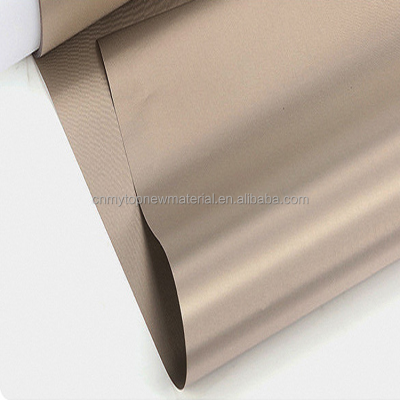
Comprehensive Sourcing Guide
Conductive Fabric Sourcing Guide for B2B Procurement Professionals
Understanding the Technical Landscape of Shielding Textiles
When sourcing Conductive Fabric, buyers must first distinguish between general anti-static materials and high-performance shielding textiles designed for electromagnetic interference (EMI) and radio frequency interference (RFI) protection. The core functionality of these materials often centers on their ability to create a Faraday cage effect, effectively blocking external electromagnetic fields. In the current market, high-confidence data indicates that effective shielding fabrics operate within a specific frequency range, typically cited as 10MHz to 3GHz, with a shielding effectiveness of at least 60dB. This performance metric is critical for applications requiring the protection of sensitive electronics or the containment of data security.
The physical composition of these fabrics is equally vital. A common and robust material composition involves a blend of Copper Nickel and Polyester fibers. This metallic weave provides the necessary conductivity while maintaining the flexibility required for textile applications. The fabric structure is typically woven, which contributes to its durability and mechanical stability. Buyers should observe that the density of the fabric plays a significant role in its performance; observed specifications often cite a density around 230 to 240 units, with some variations noted as 240±10T. The thickness of the material is generally thin, with standard observations pointing to 0.08mm, allowing for integration into garments and accessories without adding excessive bulk.
Width specifications vary by manufacturer and intended use. While some industrial rolls are produced with a width of 43/44 inches, other high-performance variants may be manufactured with a width of 109±1cm or even 1080cm, depending on the production line and standard. The weight of the fabric is another key parameter, with typical values observed around 80GSM or 80±5g/m². These physical attributes—density, thickness, width, and weight—must be cross-referenced with the specific application requirements to ensure the fabric can withstand the mechanical stresses of the final product while maintaining its electrical properties.
Compliance, Certification, and Performance Verification
In the realm of conductive and shielding fabrics, compliance is not merely a formality but a fundamental requirement for product safety and efficacy. Buyers must verify that the materials meet specific industry standards, particularly those related to electromagnetic compatibility and safety. While general background information may reference standards such as IEC 63203-201-2, procurement professionals should not assume compliance based on general market knowledge alone. Instead, the verification process must rely on documented test reports provided by the supplier for each specific batch or model.
The primary performance claim for these materials is their shielding effectiveness. As noted in available product data, a shielding range of 10MHz to 3GHz with an effectiveness of ≥60dB is a standard benchmark for high-grade conductive fabrics. However, buyers must demand independent laboratory test results that confirm these figures for the specific model number being purchased, such as HT-T008A, HT-MC-001, or MT-CF-P001. Relying on generic claims without batch-specific certification can lead to product failures in critical applications like medical devices, secure communications, or aerospace components.
Furthermore, the material composition must be verified to ensure it meets environmental and safety regulations. Many conductive fabrics are marketed with features such as being Eco-Friendly, Anti-Bacterial, and Stain Resistant. While these are valuable attributes, they must be substantiated by relevant certifications. For instance, if a fabric is claimed to be Anti-Bacterial, the supplier should provide evidence of testing against standard bacterial strains. Similarly, claims regarding radiation resistance or waterproofing require specific test data. Buyers should also be aware that the "Copper Nickel+Polyester" composition implies the presence of metals, which may trigger specific compliance requirements regarding RoHS or REACH depending on the destination market.
Cost Drivers and Pricing Dynamics
The pricing of Conductive Fabric is influenced by a complex interplay of material costs, production complexity, and order volume. The inclusion of metallic fibers, such as copper and nickel, inherently increases the raw material cost compared to standard polyester or cotton textiles. Additionally, the weaving process required to integrate these conductive threads without breaking them adds a layer of manufacturing complexity that impacts the final price.
Market observations indicate a wide price range, typically spanning from $0.10 to $100.00 per unit, depending heavily on the specification and quantity. This variance is largely driven by the Minimum Order Quantity (MOQ). The observed MOQ range in the market is extensive, from as low as 1 square meter to as high as 10,000 units. Buyers purchasing small quantities, such as samples or prototype runs, will face a significantly higher per-unit cost compared to those placing bulk orders. The supply type is often "Make-To-Order," which means that production is initiated only after an order is placed, potentially affecting lead times and pricing flexibility.
Other cost drivers include the level of customization required. Features such as custom widths, specific color options (e.g., Black or Silver), and tailored patterns (Plain or Yarn Dyed) can incur additional charges. The packaging method, typically "Pack as Roll," also influences logistics costs, especially if the roll dimensions are non-standard. For example, a single package size of 10x20x110 cm with a gross weight of 5.0 kg must be factored into the total landed cost. Buyers should also consider the cost of samples; while some suppliers offer A4 size samples for free, others may charge for larger or custom samples. Understanding these variables is essential for accurate budgeting and total cost of ownership analysis.
Typical Applications and Use Cases
Conductive Fabric serves a diverse array of industries, driven by its unique ability to provide shielding, anti-static protection, and durability. The primary application areas include the security sector, where the fabric is used to create Faraday bags and shielding enclosures for sensitive electronic equipment. The "Security" function is a core attribute, making these materials ideal for protecting data and preventing unauthorized access to electronic signals.
In the medical and healthcare sectors, the fabric is utilized for hospital textiles, including curtains, uniforms, and protective covers. The "Anti-Bacterial" and "Eco-Friendly" features make these materials suitable for environments requiring high hygiene standards. Additionally, the "Radiation Shielding" capability is crucial for applications involving medical imaging or radiation therapy, where protecting personnel and patients from electromagnetic exposure is paramount.
The garment and fashion industries also represent a significant market for conductive fabrics. The material is used in sportswear, coats, jackets, vests, and various fashion accessories such as bags, purses, totes, gloves, and hats. The "Anti-Static" and "Water Resistant" properties enhance the comfort and functionality of these garments, particularly in outdoor or high-mobility scenarios. The fabric's versatility allows it to be used in wallets, tent linings, and even automotive interiors, where EMI protection and static control are necessary.
The following table summarizes the key applications based on observed product attributes:
| Application Sector | Specific Use Cases | Key Functional Attributes |
|---|---|---|
| Security & Defense | Faraday bags, RFID protection, secure enclosures | Shielding Range 10MHz-3GHz, ≥60dB Effectiveness |
| Medical & Healthcare | Hospital curtains, uniforms, protective covers | Anti-Bacterial, Radiation-Resistant, Eco-Friendly |
| Apparel & Fashion | Sportswear, coats, jackets, bags, gloves, hats | Anti-Static, Water Resistant, Abrasion-Resistant |
| Industrial & Automotive | Tent linings, car interiors, equipment covers | Conductive, Metallic, Stain Resistant |
| Consumer Electronics | Wallets, phone cases, device liners | RFID Protection, Anti-Pill, Metallic |
Supplier Evaluation and Qualification Criteria
Selecting the right supplier for Conductive Fabric requires a rigorous evaluation process that goes beyond simple price comparison. Buyers should prioritize suppliers who demonstrate transparency in their manufacturing processes and provide comprehensive documentation. The origin of the product is a significant factor; many high-quality conductive fabrics originate from manufacturing hubs in Shenzhen and Guangdong, China. While these regions are known for textile production, buyers must verify the specific factory capabilities and quality control systems in place.
Key evaluation criteria include the supplier's ability to provide samples, such as the A4 size samples often available for free. This allows buyers to physically test the fabric's conductivity, flexibility, and durability before committing to a large order. The supplier should also be willing to discuss customization options, as many products are "Make-To-Order" with specific requirements for width, length, and pattern. The availability of OEM services, such as custom roll lengths (e.g., 200m/roll), is another indicator of a flexible and capable supplier.
Buyers must also assess the supplier's track record regarding consistency and reliability. The observed product models, such as HT-T008A, HT-MC-001, and MT-P008A, suggest a range of specific product lines. A reliable supplier should be able to provide detailed specifications for each model, including density, thickness, and material composition. Additionally, the supplier's response to inquiries about certifications and test results is a critical indicator of their professionalism. A supplier that hesitates to provide test data or vague answers regarding compliance standards should be viewed with caution.
Quality Control and Long-Term Procurement Strategy
Ensuring consistent quality in Conductive Fabric procurement requires a robust quality control (QC) strategy. Given the critical nature of the shielding properties, buyers should implement a multi-stage QC process. This includes pre-production sampling, in-process inspections during weaving and finishing, and final product testing before shipment. The "Single package size" and "Single gross weight" specifications provide benchmarks for packaging consistency, which can be used to detect deviations in production.
Long-term procurement considerations involve building a sustainable supply chain that can adapt to changing market demands. Buyers should establish clear communication channels with suppliers to discuss future customization needs, such as changes in width or material composition. The "Supply Type: Make-To-Order" nature of many products means that lead times can vary, and buyers must plan accordingly to avoid production delays. It is also advisable to maintain a relationship with multiple suppliers to mitigate the risk of supply chain disruptions.
Furthermore, buyers should regularly review the performance of the fabric in real-world applications. The "Feature" attributes, such as "Anti-Pill," "Stain Resistant," and "Waterproof," should be validated through field testing to ensure they hold up over time. As technology evolves, the requirements for shielding effectiveness may change, and suppliers should be capable of adapting their product lines to meet new standards. By maintaining a proactive approach to quality control and supplier management, buyers can ensure a steady supply of high-performance Conductive Fabric that meets their specific needs.
Strategic Sourcing Recommendations
To conclude, sourcing Conductive Fabric requires a balanced approach that considers technical specifications, compliance, cost, and supplier reliability. Buyers should focus on verifying the shielding effectiveness, material composition, and physical dimensions of the fabric to ensure it meets the specific requirements of their application. The wide range of applications, from security to fashion, underscores the versatility of these materials, but also highlights the need for precise selection.
By adhering to a structured evaluation process and maintaining high standards for quality control, buyers can successfully navigate the complex market for conductive fabrics. The key is to rely on verified data and avoid making assumptions about performance or compliance. With the right supplier partnership and a clear understanding of the product attributes, buyers can secure high-quality Conductive Fabric that delivers on its promises of shielding, durability, and functionality.
FAQs
What is the shielding effectiveness of this Conductive Fabric?
The fabric provides a shielding effectiveness of at least 60dB within the 10MHz to 3GHz range. This performance ensures reliable protection against electromagnetic interference for sensitive electronic applications.
Which material composition is used for the metallic fabric?
The material consists of a blend of Copper Nickel and Polyester fibers. This specific weave structure delivers high conductivity while maintaining the flexibility required for various textile applications.
Can I get free samples of the Conductive Fabric?
Yes, A4 size samples are available for free upon request. This allows buyers to physically verify the fabric's texture and properties before committing to a larger production order.
What is the minimum order quantity for this fabric?
The minimum order quantity starts at 1 square meter for this specific product. Buyers can order small quantities for prototyping or scale up to larger volumes depending on their needs.
Where is the origin of this Conductive Fabric located?
The product originates from Shenzhen and Guangdong, China. These regions are established manufacturing hubs known for producing high-quality textile materials with advanced functional properties.
How thick is the Conductive Fabric roll?
The standard thickness of the fabric is 0.08mm. This thin profile allows for easy integration into garments and accessories without adding significant bulk or weight to the final product.